Water Heater Permit Requirements in Georgia
4 min read
Short answer
Georgia generally requires a permit to replace a water heater, and the licensed plumber performing the work should pull it rather than the homeowner. The permit triggers an inspection confirming the installation meets code on venting, connections, and safety devices. Unpermitted work can complicate a manufacturer warranty claim, an insurance claim after a failure, and the sale of the property later — all for a step that adds little to the job when the plumber handles it.
Permits are the part of a water heater replacement most people never think about, right up until it matters. Here is what the requirement actually involves and why it is worth insisting on.
What the Permit Is Actually For
A permit is not paperwork for its own sake. It exists to trigger an inspection of the parts of the installation that carry genuine risk if they are done wrong.
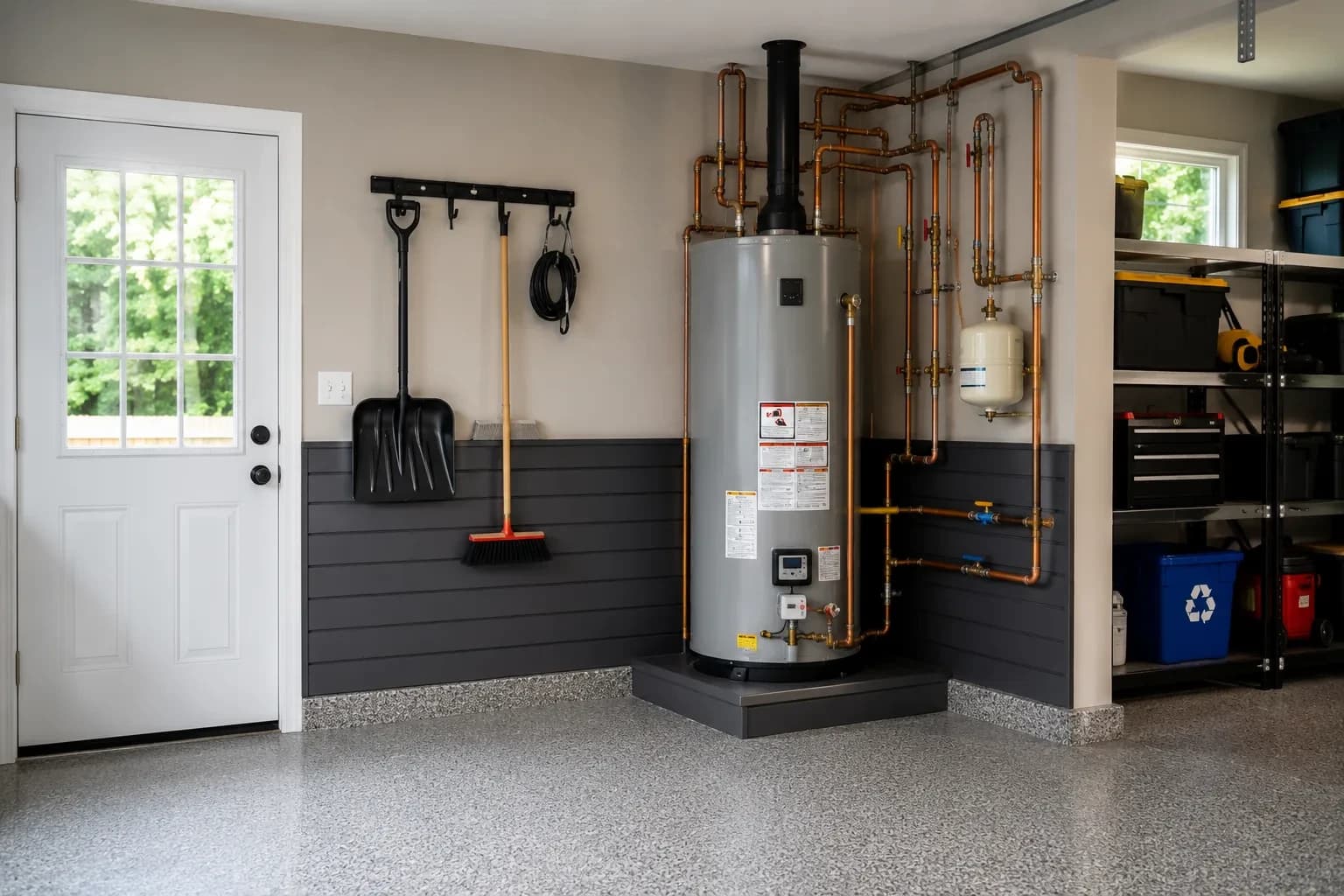
For a water heater that means venting on gas units, the temperature and pressure relief valve, the gas or electrical connection, seismic or structural strapping where required, and correct drainage. Every one of those is a safety item rather than a cosmetic one.
Who Should Pull It
The licensed plumber doing the work. If a contractor asks you to pull the permit as the homeowner, treat that as a warning sign rather than a convenience.
When a homeowner pulls the permit, responsibility for the work meeting code shifts onto the homeowner. That is a meaningful transfer of liability, and it is usually being suggested because it is easier for the contractor rather than better for you.
What Goes Wrong Without One
Three situations where unpermitted work surfaces, usually at the worst moment:
- A manufacturer warranty claim, where improper installation can void coverage
- An insurance claim after a leak or failure, where the insurer asks whether the work was permitted
- Selling the house, where unpermitted work can be flagged during inspection and hold up closing
How We Handle It
We pull the permit as part of the installation and schedule the inspection. You do not need to contact the county or file anything.
You get the documentation for your records at the end of the job, which is what you will want if you ever need to make a warranty claim or answer a question during a sale.
Frequently Asked Questions
- Can I install a water heater myself in Georgia?
- Homeowner installation raises both permitting and safety questions, particularly on gas units where venting errors carry serious consequences. For anything involving gas, a licensed plumber is the appropriate route.
- Does swapping like-for-like still need a permit?
- Replacement generally requires a permit even when the new unit matches the old one, because the connections and venting are still being redone.
- How long does the permit add to the job?
- Very little when the plumber handles it as part of normal scheduling. The inspection is arranged around the installation rather than delaying it.